

Languages:

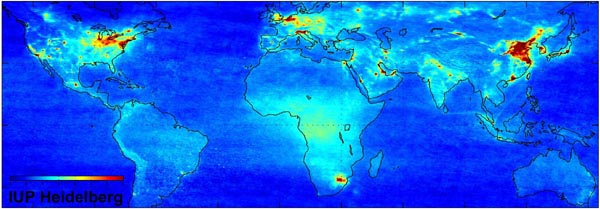
WHO states: "In most urban environments in Europe, the principal source of NO2 is NOx from motor vehicles of all types and energy production in some places [e.g., power plants, domestic heating]." More...
Source & ©: WHO Europe (2003)


Can the differences influence the results of studies?
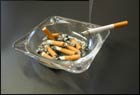
WHO states: "In any particular setting the answer will depend on the relative contributions of outdoor and indoor sources and on personal activity patterns. A direct relationship between personal exposure and outdoor concentrations is found in the absence of exposure to indoor sources such as unvented cooking or heating appliances using gas, and tobacco smoking. However, since outdoor NO2 is subject to wide variations caused by differences in proximity to road traffic and local weather conditions, the relationship of personal exposure to measurements made at outdoor monitoring stations is variable. Results of epidemiological studies relying on outdoor NO2 concentrations may be difficult to interpret if account is not taken of exposure to indoor sources." More...
Adverse health effects have been documented after short-term exposure to peaks, as well as after long-term exposure to relatively low concentrations of NO2. Experimental studies indicate that short-term exposure to high concentrations of NO2 increases responsiveness to allergens. NO2 exposure over time has also been linked to mortality and disease progression. A direct comparison of the health relevance of short term and long-term exposures has not been reported for NO2.
Some studies have documented that subjects living close to busy roads experience more short- term and long-term effects of air pollution than subjects living further away. In urban areas, up to 10% of the population may be living at such “hot spots”. The public health burden of such exposures is therefore significant. Unequal distribution of health risks over the population also raises concerns of environmental justice and equity. More...


This summary is free and ad-free, as is all of our content. You can help us remain free and independant as well as to develop new ways to communicate science by becoming a Patron!


 BECOME A PATRON!