

Languages:

Some consumer products may entail risks. For example are all tooth filling materials equally safe? Can using an MP3 player threaten my hearing?

Mycotoxins are substances produced by moulds found in food products. What are their effects and how can they be prevented? More...
Latest update: 24 May 2018
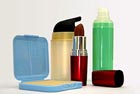
Fragrance ingredients are used in consumer goods to give them a specific, usually pleasant smell. They can sometimes cause skin irritations or allergic reactions.
Is the list of fragrance substances that have to be identified on consumer products sufficient, or are there more that should be added to the list? More...
Latest update: 30 September 2013

Metal-on-Metal joint implants may solve many dysfunctions related to the hip. But, but do they come with risks? More...
Latest update: 5 March 2015
 Are silver nanoparticles safe? Implications for health, the
environment and microbial resistance
(SCENIHR)
Are silver nanoparticles safe? Implications for health, the
environment and microbial resistance
(SCENIHR) 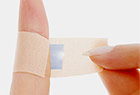
Are silver nanoparticles safe for your health and for the environment? More...
Latest update: 17 June 2014

Toys may be manufactured from materials containing chromium VI. Are toys containing chromium VI safe for children? More...
Latest update: 4 March 2015
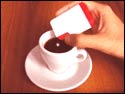
Aspartame is a non caloric sweetener used in some diet soft drinks and food preparations. Many studies have assessed the safety of asparame, but some allegations of health risks have launched a debate. Does this artificial sweetener pose health risks? More...
Latest update: 15 June 2004
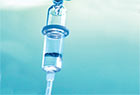
Bisphenol A (BPA) is used to produce certain plastics such as polycarbonates, and epoxy resins.
Is exposure to BPA via medical devices safe? Are there any risks? More...
Latest update: 24 June 2015

What are the greenhouse gas emissions and climate implications of shale gas exploitation? More...
Latest update: 10 February 2015
Dental fillings: a concern for your health? Safety of dental amalgam
and alternative dental restoration materials (SCENIHR) 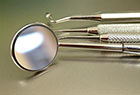
In light of recent scientific studies on dental amalgam, SCENIHR revisited its 2008 opinion on the safety and performance of both dental amalgam and possible alternatives.
Mercury, which is the metallic element used in dental amalgam fillings, has well-documented and well-known health effects. Do dental amalgam and alternative materials pose any risks? More...
Latest update: 2 July 2015

New SCENIHR opinion examines latest data on health impact of latest technologies
Is EMF exposure dangerous for your health? More...
Latest update: 6 March 2015

There is concern that this widespread use of biocides, such as disinfectants, preservatives and antiseptics, may lead to the emergence or proliferation of harmful bacteria that are resistant to both biocides and antibiotics.
In the light of current scientific evidence, can biocides lead to antibiotic resistant bacteria? More...
Latest update: 8 October 2009

Currently, conventional incandescent lamps are in the process of being replaced with more energy-efficient lamps, mainly compact fluorescent lamps (CFLs). Fluorescent light has been used for many years in overhead fluorescent tubes without causing any problems. Nevertheless, certain “light sensitive” citizens’ associations have voiced concerns about compact fluorescent lamps.
Do these energy-saving lamps aggravate the symptoms in patients with certain diseases? More...
Latest update: 29 May 2009

New energy saving lighting technologies are being used more and more.
Can these new artificial light sources affect the health of the general public or of light-sensitive people? More...
Latest update: 18 February 2013
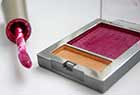
The commercial use of nanomaterials is fairly new, and while it may offer promising and beneficial applications, it also raises questions about its safety. Is nano-silica in cosmetics dangerous? More...
Latest update: 1 August 2015
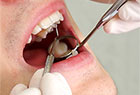
What are the environmental risks and indirect health effects of mercury from dental amalgam? More...
Latest update: 15 March 2014
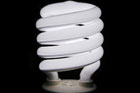
Does the mercury they contain pose a risk to consumers?
Are compact fluorescent lamps beneficial to the environment compared to other lamps? More...
Latest update: 7 July 2011
Is the use of methylene glycol in hair straightening products safe? More...
Latest update: 30 September 2013

The rapid development of nanotechnology created some concerns about their possible effects on human health and safety, and environmental burden. More...
Latest update: 31 July 2015

Because of their genetic similarities to humans, more than 100 000 monkeys and apes are used every year around the world for biomedical research and for testing the safety of new drugs.
Are there alternatives to the use of non-human primates in research and testing? Would it be feasible to stop using them altogether? More...
Latest update: 29 June 2009
Fragrance ingredients are used in consumer goods to give them a specific, usually pleasant smell. They can sometimes cause skin irritations or allergic reactions.
Is the list of fragrance substances that have to be identified on consumer products sufficient, or are there more that should be added to the list? More...
Latest update: 15 June 2013
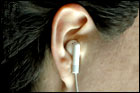
In recent years, sales of personal music players have soared and an increasing proportion of the population, particularly young people, is exposed to high sound volumes.
In the light of current scientific knowledge, can the use of personal music players damage hearing? More...
Latest update: 13 October 2008

Some school supplies, such as erasers, contain phthalates – substances that are added to plastics to make them soft.
Can regularly chewing on such articles cause harmful health effects? More...
Latest update: 8 June 2009
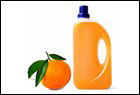
Some consumer products are packaged to imitate food or appeal to children. This is for instance the case of certain shower gels, liquid soaps and dish-washing liquids. It is likely that these could be swallowed if confused with food.
Who runs the greatest risk and what increases the likelihood of serious poisoning? More...
Latest update: 20 March 2012

New sources of gas are being increasingly being mobilized in order to meet the demand.
One such important source is shale gas, which needs for extraction a process called « hydraulic fracturing », what are the potential health and environmental risks of it? More...
Latest update: 30 September 2013
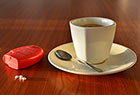
Aspartame is a sweetener that is in use for several decades.
The latest data has recently been reviewed by the European Food Safety Authority in the context of a systematic re-evaluation of all food additives in use in Europe. More...
Latest update: 30 November 2014

In Europe, 12% of the population has tattoos, are they safe? More...
Latest update: 17 November 2017

Zinc oxide (ZnO) and titanium dioxide (TiO2) nanoparticles (NPs) are used in sunscreens. Are they safe? More...
Latest update: 29 June 2017

Because of increased concern over terrorist attacks on aircraft, new security scanners have been developed to screen passengers at airports, some using x-rays.
Is their use safe for passengers and workers? More...
Latest update: 18 February 2013
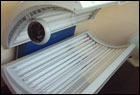
In addition to natural sunlight, sunbed users expose themselves to substantial amounts
of artificial UV radiation.
The European Commission Scientific Committee on Consumer Products assessed the health
and safety implications of both natural and artificial UV radiation? More...
Latest update: 15 August 2007
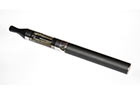
Electronic cigarettes are growing more and more popular. What is their effect on health?
Can they have an impact on tobacco control? More...
Latest update: 29 April 2015
 The risks of environmental effects of pharmaceutical and medicinal products (DG Health and Consumers)
The pollution of the various compartments of the environment (water, soil and air) with pharmaceutical residues is an environmental concern More...
Latest update: 26 March 2015
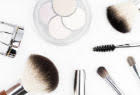
Safety assessment of cosmetic products for human health are now required from different cosmetics regulations worldwide. What do they cover? More...
Latest update: 9 February 2018

Dental amalgams containing mercury have long been used as a tooth filling material, but alternative tooth-coloured materials are increasingly used. How safe and effective are different tooth filling materials? More...
Latest update: 15 August 2008
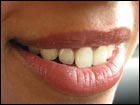
To date, millions of tooth whitening kits have been sold across the world to consumers seeking to brighten their smiles. The whitening ingredient in these products is hydrogen peroxide.
Are toothpastes, mouth-rinses and tooth whitening products containing hydrogen peroxide safe? Should they be freely available to consumers? More...
Latest update: 26 September 2008

Triclosan is added to many consumer goods such as cosmetics and detergents to kill microorganisms or inhibit their growth. It is a widely used disinfectant, and there is concern that this widespread use may lead to the emergence of bacteria that are resistant to both biocides and antibiotics.
Can triclosan lead to antibiotic resistant bacteria? More...
Latest update: 17 October 2011

To improve airport security in the light of terrorist threats new full-body scanners have been developed to complement existing metal detectors and hand searches.
How safe are such X-ray security scanners for passengers, in particular for frequent flyers? More...
Latest update: 30 September 2013

Zinc oxide is a white powder which is widely used in a variety of applications, one of which being in cosmetic products as a UV filter. New technologies have recently allowed the use of nano- sized zinc oxide particles.
Are these different to conventional zinc oxide in terms of physical and chemical properties and toxicity? More...
Latest update: 30 September 2013



This summary is free and ad-free, as is all of our content. You can help us remain free and independant as well as to develop new ways to communicate science by becoming a Patron!



 BECOME A PATRON!