

Sprachen:

Chemische Stoffe, die wir über Nahrung, Wasser oder Luft aufnehmen, haben vielerlei Auswirkungen auf unsere Gesundheit. Indes manche Substanzen für ihre Schädlichkeit bekannt sind, wie Dioxine und PCBs, können andere unter bestimmten Umständen sogar förderlich sein., Fluoride z. B. verhindern die Kariesbildung und Desinfektionsmittel töten Keime im Wasser. Wiederum andere müssen noch weiter erforscht werden um zu endgültigen Ergebnissen zu kommen, wie edokrine Disruptoren.
Siehe auch Phthalate und Luftverschmutzung

Acrylamid kann in vielen gebratenen und gebackenen Nahrungsmittelprodukten entstehen. Besteht dadurch eine Gesundheitsgefahr? Mehr...
Neuestes Update: 21 Dezember 2017

Duftstoffe werden in Konsumgütern eingesetzt werden, um ihnen einen spezifischen, meist angenehmen, Duft zu geben. Sie können manchmal Hautreizungen oder allergische Reaktionen hervorrufen.
Ist die Liste der Duftstoffe, die auf Konsumgütern angegeben sein müssen, ausreichend oder sollten noch weitere hinzugefügt werden? Mehr...
Neuestes Update: 30 September 2013
 Alternativen zu Tierversuchen für die Sicherheitsbeurteilung von chemischen Stoffen in Europa (ECHA)
Die Beurteilung der Sicherheit von chemischen Stoffen erfordert sehr häufig die Durchführung von Tierversuchen.
Welche Alternativen gibt es und sind sie effizient? Mehr...
Neuestes Update: 11 Dezember 2018

Es bestehen Bedenken, dass dieser weit verbreitete Gebrauch von Bioziden, wie zum Beispiel Desinfektionsmittel, Konservierungsmittel und Antiseptika, zur Entstehung oder Ausbreitung schädlicher Bakterien führen könnte, die sowohl gegen Biozide als auch gegen Antibiotika resistent sind.
Können Biozide nach dem heutigen Kenntnisstand der Wissenschaft zu antibiotikaresistenten Bakterien führen? Mehr...
Neuestes Update: 8 Oktober 2009
Belastung durch mehrere „chemische Gemische“: Verfahren zur Bewertung von Risiken für Mensch und Ökologie (EFSA) 
Organismen, einschließlich menschlicher Organismen, sind eher einer Mischung aus Chemikalien als isolierten Einzelsubstanzen ausgesetzt.
Wie aber wird das Risiko bei mehreren möglichen Kombinationen aus Chemikalien beurteilt, wenn diese in einem Gemisch vereint sind? Mehr...
Neuestes Update: 21 August 2019
Bisphenol A (BPA) wird zur Herstellung bestimmter Kunststoffe wie Polycarbonate und Epoxidharze eingesetzt.
Ist eine BPA-Exposition über Medizinprodukte sicher? Gibt es Risiken? Mehr...
Neuestes Update: 24 Juni 2015
In der Bevölkerung steigt die Besorgnis über mögliche toxische Wirkungen von Schadstoffmischungen (in den Medien oft als "Cocktail-Effekte" bezeichnet). Mehr...
Neuestes Update: 11 September 2015
Der Einfluss gefährlicher Chemikalien auf die Gesundheit der Bevölkerung: Was ist bekannt und was kann für eine Senkung des Risikos getan werden? (WHO) 
Die Belastung durch schädliche Chemikalien ist einer der Hauptrisikofaktoren für die Gesundheit der Bevölkerung, die auf der Agenda der 17 Ziele für nachhaltige Entwicklung der Vereinten Nationen stehen.
Welche Maßnahmen können ergriffen werden, um ihre Auswirkungen zu verringern? Mehr...
Neuestes Update: 11 Januar 2019

Dieser World Cancer Report 2020 der IARC spiegelt die umfassendste aktuelle Lehre zur Krebsvorbeugung wider und schließt Statistiken, Ursachen, Mechanismen und Früherkennung ein. Mehr...
Neuestes Update: 27 März 2020

Duftstoffe werden in Konsumgütern eingesetzt werden, um ihnen einen spezifischen, meist angenehmen, Duft zu geben. Sie können manchmal Hautreizungen oder allergische Reaktionen hervorrufen.
Ist die Liste der Duftstoffe, die auf Konsumgütern angegeben sein müssen, ausreichend oder sollten noch weitere hinzugefügt werden? Mehr...
Neuestes Update: 15 Juni 2013

Endokrine Disruptoren, auch endokrin wirksame Substanzen genannt, sind Chemikalien, die die Funktion des Hormonsystems beeinträchtigen. Welche Risiken sind mit diesen Chemikalien verbunden? Mehr...
Neuestes Update: 12 September 2015
Die Zusammenfassungen sind verfügbar in [de] [en] [es] [fr] [nl]

Manche Chemikalien, sowohl natürlicher als künstlicher Herkunft, können das Hormonsystem beeinträchtigen.
Haben Endokrine Disruptoren die Umwelt und unser Hormonsystem beeinflußt? Was ist bis jetzt bekannt? Mehr...
Neuestes Update: 15 Juni 2004
Die Zusammenfassungen sind verfügbar in [de] [en] [es] [fr] [nl]
Gefahren und Risiken durch Chlor und Natriumhypochlorit: Weitere Maßnahmen zur Senkung des Risikos sind nicht erforderlich (WHO) 
Chlor und Natriumhypochlorit werden häufig zum Desinfizieren und Bleichen eingesetzt, unter anderem auch für die Desinfektion von Trinkwasser. Es zeigt sich, dass die Verwendung, die seit mehreren Jahren in Richtlinien empfohlen wird, auch im Jahr 2017 noch angemessen ist. Mehr...
Neuestes Update: 26 Dezember 2017
Gefahren und Risiken, die mit Perfluoroctansäure (PFOA), seinen Salzen und
PFOA-verwandten Substanzen verbunden sind (ECHA) 
PFOA ist eine Verbindung, die bei der Herstellung von Materialien mit wasser- oder ölabweisenden Eigenschaften verwendet wird, wie wasserdichte Gewebe und Antihaft-Kochgeschirr. Stellt die Anwesenheit von PFOA in fertigen Erzeugnissen ein Risiko dar? Mehr...
Neuestes Update: 29 Mai 2017
Die Zusammenfassungen sind verfügbar in [de] [en] [fr] [it] [nl]

Was erklärt eine solche Diskrepanz zwischen den Einstufungen von Glyphosat durch IARC und EFSA? Mehr...
Neuestes Update: 9 September 2016
Die Zusammenfassungen sind verfügbar in [de] [en] [es] [fr] [it] [nl]

Spielzeug kann aus Werkstoffen hergestellt worden sein, die Chrom (VI) enthalten. Ist Spielzeug, das sechswertiges Chrom enthält, für Kinder sicher? Mehr...
Neuestes Update: 4 März 2015
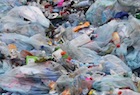
Kunststoffabfälle sind ein wachsendes Problem: Es wird davon ausgegangen, dass sich die Kunststoffproduktion in den nächsten zehn Jahren verdoppelt, und ohne die Planung eines effizienten Abfallmanagements werden sich auch die sozialen, wirtschaftlichen und umwelttechnischen Auswirkungen verstärken. Mehr...
Neuestes Update: 5 März 2019

Das wirtschaftliche und soziale Wachstum der Menschheit hat riesige Mengen an Umweltverschmutzung mit sich gebracht.
Wie können wir sicherstellen, dass der Planet nicht weiter geschwächt wird? Mehr...
Neuestes Update: 15 März 2018
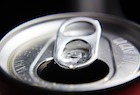
Aluminium findet breite Verwendung in Lebensmittelverpackungen, Geräten, als Teil von Nahrungsmittelzusätzen, Kosmetik usw Mehr...
Neuestes Update: 17 Dezember 2017

Die weltweite Produktion von Kunststoffen steigt und diesem Anstieg folgt auch die Zunahme von immer mehr Plastikmüll.
Was wissen wir über das Ausmaß dieses Problems? Mehr...
Neuestes Update: 15 Februar 2018

Einige Chemikalien können mit dem endokrinen System zu interagieren und zu gesundheitlichen Problemen führen, werden sie als "endokrine Disruptoren" bekannt. Wie sie mit dem Körper zusammenwirken, oft in sehr kleinen Mengen, macht die Analyse schwieriger.
Sind die gegenwärtigen Methoden angemessen? Mehr...
Neuestes Update: 30 Dezember 2013

Ist die Verwendung von Methylenglykol in Haarglättungsmitteln sicher? Mehr...
Neuestes Update: 30 September 2013

Zinkoxid ist ein weißes Pulver, das in einer Vielzahl von Anwendungen eingesetzt wird. Unter anderem in Kosmetikprodukten als UV-Filter sowie als kosmetischer Farbstoff. Neue Technologien haben es nun ermöglicht, Zinkoxidpartikel in Nanogröße zu verwenden.
Unterscheiden sich Zinkoxid-Nanopartikel von herkömmlichem Zinkoxid bezüglich der physikalischen und chemischen Eigenschaften und der Toxizität? Mehr...
Neuestes Update: 30 September 2013
Neubewertung der Europäischen Behörde für Lebensmittelsicherheit (EFSA) des Pestizids Sulfoxaflor und insbesondere seiner Auswirkung auf Bienen und andere Bestäuber für das Jahr 2019 (EFSA) 
Sulfoxaflor ist ein neuer Insektizidwirkstoff, der kürzlich zur Genehmigung angemeldet wurde.
. Ist dieses Molekül sicher? Mehr...
Neuestes Update: 8 Mai 2019

Manche Schulsachen, wie Radiergummis, enthalten Phthalate, Substanzen die Kunstoffen beigemengt werden, um diese weich zu machen.
Könnte regelmäßig an solchen Artikeln kauen ein Gesundheitsrisiko darstellen? Mehr...
Neuestes Update: 8 Juni 2009
Polybromiertes Flammschutzmittel decaBDE: Neue Gefahren-, Risiko- und gesetzgeberische Maßnahmen wurden verabschiedet (ECHA) 
Flammschutzmittel werden bei der Herstellung von vielen Stoffen, Kunststoffen und anderen Materialien verwendet, um ihre Entflammbarkeit zu erhöhen. Hierfür wird häufig DekaBDE eingesetzt. Ist dieses Produkt sicher? Mehr...
Neuestes Update: 20 April 2017

Verschiedene Extrakte auf Aspirin aus dem World Cancer Report 2020 weisen darauf hin, dass Aspirin wichtige vorbeugende Wirkungen auf verschiedene Krebsarten haben kann, die hier hervorgehoben werden. Mehr...
Neuestes Update: 9 April 2021
 Produkte, die Nahrungsmitteln ähneln & Kinder ansprechen Mögliches Risiko versehentlicher Einnahmen
(SCCS)
Produkte, die Nahrungsmitteln ähneln & Kinder ansprechen Mögliches Risiko versehentlicher Einnahmen
(SCCS) 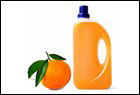
Die Aufmachung einiger Produkte ahmt Nahrungsmittel nach oder spricht Kinder an. Dies ist zum Beispiel der Fall bei bestimmten Duschgels, Flüssigseifen und Geschirrspülmitteln. Diese könnten mit Essbarem verwechselt werden und geschluckt werden.
Wer ist der Gefahr von ernsten Vergiftungen am meisten ausgesetzt und was könnte das Risiko erhöhen? Mehr...
Neuestes Update: 20 März 2012

Die Verschmutzung der verschiedenen Umweltbereiche (Wasser, Boden und Luft) mit Arzneimittelrückständen gibt Anlass zur Besorgnis. Mehr...
Neuestes Update: 10 September 2015

Beschreibung der wichtigsten Schritte zur Stärkung der regionalen und nationalen Kapazitäten zur Erkennung, Überprüfung und Kontrolle des Ausbruchs von Infektionskrankheiten mit epidemischem und pandemischem Potenzial. Mehr...
Neuestes Update: 28 April 2021

Triclosan wird vielen Konsumgütern wie Kosmetika und Reinigungsmitteln hinzugefügt, um Mikroorganismen abzutöten oder ihr Wachstum zu hemmen.Es gibt Bedenken, dass sein weit Gebrauch zur Entstehung schädlicher Bakterien führen könnte, die gegen Biozide und Antibiotika resistent sind.
Kann Triclosan zu antibiotikaresistenten Bakterien führen? Mehr...
Neuestes Update: 17 Oktober 2011
Welche Herausforderungen ergeben sich aus diesem Substitutionsvorgang? Mehr...
Neuestes Update: 22 September 2016
Die Zusammenfassungen sind verfügbar in [de] [en] [es] [fr] [nl]
Het kankerprobleem groeit wereldwijd, wat kan er gedaan worden om een verdere toename te voorkomen? Wat zijn de strategieën voor kankerpreventie en vroege detectie? Mehr...
Neuestes Update: 29 März 2020

Arsenic is a poisonous substance, which is released both from certain human activities and naturally from the earth's crust. Humans may be exposed to arsenic mainly through food and water. To what extent can arsenic exposure affect human health or the environment? More...
Latest update: 15 December 2004

Aspartame is one of the most widely used artificial sweetener, is it safe? More...
Latest update: 28 March 2017

Biosecurity is concerned with animal and plant diseases, invasive species, the transmission of diseases from livestock to humans, and the effect that all of these can have of health and the environment. How can it be ensured through an integrated approach? More...
Latest update: 16 December 2019

Boron is a naturally occurring element used in products such as fibreglass, detergents, agricultural fertilizers and herbicides. Could it affect my health? Under what conditions could it be beneficial or harmful to the environment? More...
Latest update: 15 December 2004

The aim of this peer reviewed comparison is to put in perspective the potential dangers and risks of four phthalates used mainly as plasticizers in PVC applications and help the non specialist reader to make its opinion in these matters. More...
Latest update: 30 August 2013
Conclusions by EFSA of a critical assessment of the endocrine disrupting properties of a series of pesticides (EFSA) 
The european regulations on pesticides have brought forward a debate on the concepts of risk and hazard in this particular context. More...
Latest update: 28 June 2016

Diethylhexyl-phthalate (DEHP) is a widely used plastic additive.
Its widespread use in everyday and medical products has raised some concerns about its safety. Does it pose a risk to health or the environment? More...
Latest update: 17 July 2012

Dioxins are mainly released by human activities such as incineration and fuel combustion. Some dioxins and some "dioxin-like" PCBs are known to be harmful. In 2008, the facts summarised by GreenFacts are still considered a valid reference. More...
Latest update: 15 August 2004

Food and drinking water typically contain at least small amounts of fluorides. Fluorides are commonly added to dental products – and sometimes to tap water – to prevent cavities. Under what conditions can fluoride exposure be beneficial or detrimental to human health? More...
Latest update: 15 April 2005

Mercury is a heavy metal which is known to be highly toxic. Though mercury occurs naturally in the environment it is now mainly released by human activities. Are humans and the environment at risk? More...
Latest update: 15 November 2004

Do neonicotinoid pesticides have an effect on services provided by ecosystems? More...
Latest update: 8 March 2016

Polychlorinated biphenyls (PCBs) were widely used in the past, mainly in electrical equipment. Because these compounds are generally very stable, they remain present in the environment today. What are the health risks associated with PCBs? More...
Latest update: 15 September 2006

We review the scientific literature regarding the health risks associated with occupational exposure to pesticides. More...
Latest update: 7 June 2016

DBP is mainly used in PVC and other plastics. Other applications besides inks, paints and adhesives, include nail polish, perfumes, sealants, and lubricants.
Main conclusions: At some industrial sites, exposure of workers and emissions to air should be reduced More...
Latest update: 15 December 2005

DIDP and DINP are two very similar phthalates. They are mainly used in PVC and other plastics, but also in some inks, paints and adhesives.
Main conclusions: DIDP in toys may pose a risk; more research may be needed on the environmental effects of DIDP and DINP. More...
Latest update: 15 December 2005

To protect drinking water against germs and fight disease transmitted through water, disinfectants such as chlorine, chloramines, ozone and chlorine dioxide are used.
Unwanted by-products can be formed, which raise health concerns. More...
Latest update: 15 August 2004



This summary is free and ad-free, as is all of our content. You can help us remain free and independant as well as to develop new ways to communicate science by becoming a Patron!

 BECOME A PATRON!